 By Song Jingwoo
Choosing industrial equipment is an important investment for small and medium-sized manufacturers in Malaysia. For factories handling powders, granules and pellets, the right conveying equipment must match production capacity, material characteristics and existing machinery.
Access Technology Sdn Bhd supplies pneumatic conveying systems, industrial components and engineering solutions for Malaysian manufacturers. Beyond equipment supply, the company supports system configuration, installation and integration according to each factory’s operational requirements.
A pneumatic conveying system uses airflow to move suitable dry bulk materials through enclosed pipelines. However, a complete system involves several components working together.
| Equipment | Main Function |
|---|---|
| Vacuum Pump or Pressure Blower | Generates the airflow required for material transfer |
| Feeding Equipment | Introduces material into the conveying system |
| Conveying Pipelines | Transport materials between equipment locations |
| Receivers and Separators | Separate conveyed materials from the conveying airflow |
| Filters and Valves | Support filtration, airflow management and material discharge |
| Sensors and Control Panels | Monitor and coordinate system operation |
Access Technology’s automation and material handling solutions include pneumatic conveying, weighing, batching and packaging systems.
The equipment configuration depends on the material, transfer distance, required capacity and production environment.
Not every pneumatic conveying system is suitable for every manufacturing application.
Before selecting equipment, manufacturers should consider four areas:
- Material characteristics: Bulk density, particle size, moisture content, abrasiveness and flow behaviour.
- Production capacity: Required throughput, batch size and operating schedule.
- Factory layout: Conveying distance, vertical lift, pipeline bends and available installation space.
- Equipment compatibility: Connections with existing hoppers, mixers, weighing equipment and packaging machinery.
For example, food manufacturers may need conveying arrangements that support ingredient handling and appropriate hygiene requirements. Access Technology provides food and beverage automation solutions covering material transfer, weighing and packaging.
Chemical manufacturers may have different material compatibility and piping requirements, which are addressed through the company’s chemical industry solutions.
These differences explain why equipment selection should begin with the actual production application rather than a standard equipment package.
For SMEs purchasing pneumatic conveying equipment, understanding the supplier’s scope of support is important.
Access Technology provides several connected services:
- Requirement Assessment: Reviewing material information, target capacity and factory equipment arrangements.
- Equipment Selection: Recommending suitable conveying components, feeding equipment, receivers, filters and controls.
- System Configuration: Planning conveying routes and connections with existing production machinery.
- Installation and Integration: Carrying out piping installation, mechanical installation and automation integration.
- Testing and Handover: Checking system operation, making adjustments and completing technical handover.
These services help manufacturers coordinate equipment supply with practical installation requirements.
Access Technology also provides engineering and technical services, including equipment repair, maintenance, troubleshooting and technical support.
The equipment requirements of a pneumatic conveying system can vary significantly between manufacturing sectors.
For instance:
- Food processing: Ingredient characteristics, hygiene and connections to weighing or mixing equipment.
- Pharmaceutical manufacturing: Material containment, cleanliness and controlled ingredient transfer.
- Plastics manufacturing: Pellet characteristics, feeding requirements and compatibility with processing machinery.
- Battery manufacturing: Powder characteristics, contamination considerations and production integration.
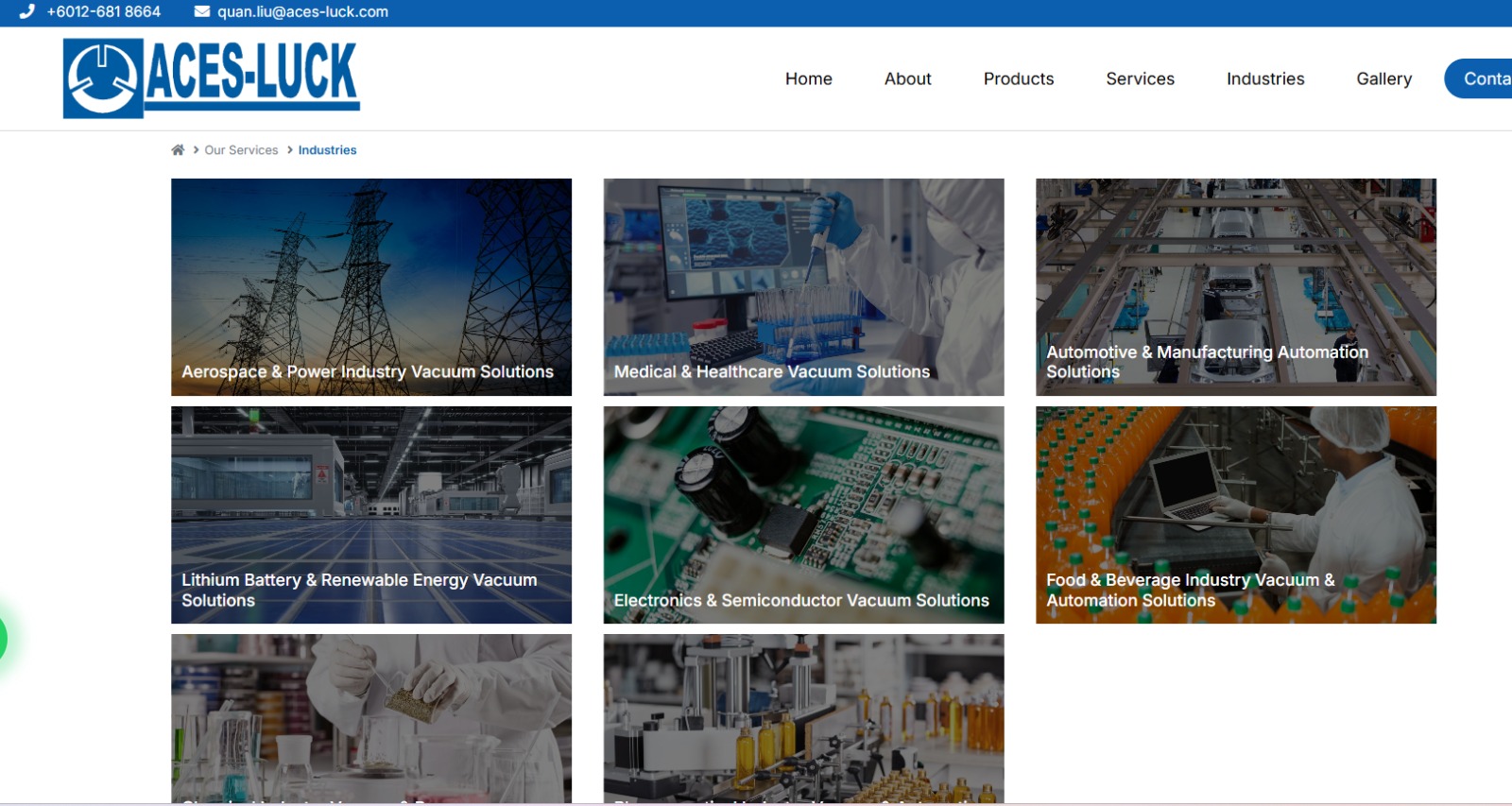
Access Technology supports these applications through its pharmaceutical vacuum and automation solutions, manufacturing automation solutions and lithium battery production solutions.
Final equipment suitability, construction and applicable compliance requirements must be confirmed for each project.
Industrial equipment purchases should account for more than individual component specifications.
Manufacturers also need to consider whether the proposed conveying system can be installed within the available space, connected to existing machinery and maintained during operation.
For businesses planning additional production capacity, Access Technology’s industrial vacuum system expansion planning guide highlights related considerations involving equipment capacity, operating demand and system modifications.
Evaluating these requirements early helps SMEs make more informed equipment purchasing decisions and establish a clearer project scope.
Selecting pneumatic conveying equipment requires an understanding of material properties, factory layouts, production capacity and machinery compatibility.
Access Technology Sdn Bhd supports Malaysian SMEs through pneumatic conveying equipment supply, system configuration, installation and engineering services. Its approach connects equipment selection with practical production requirements, helping manufacturers plan material transfer systems suited to their operations.