
 By Song Jingwoo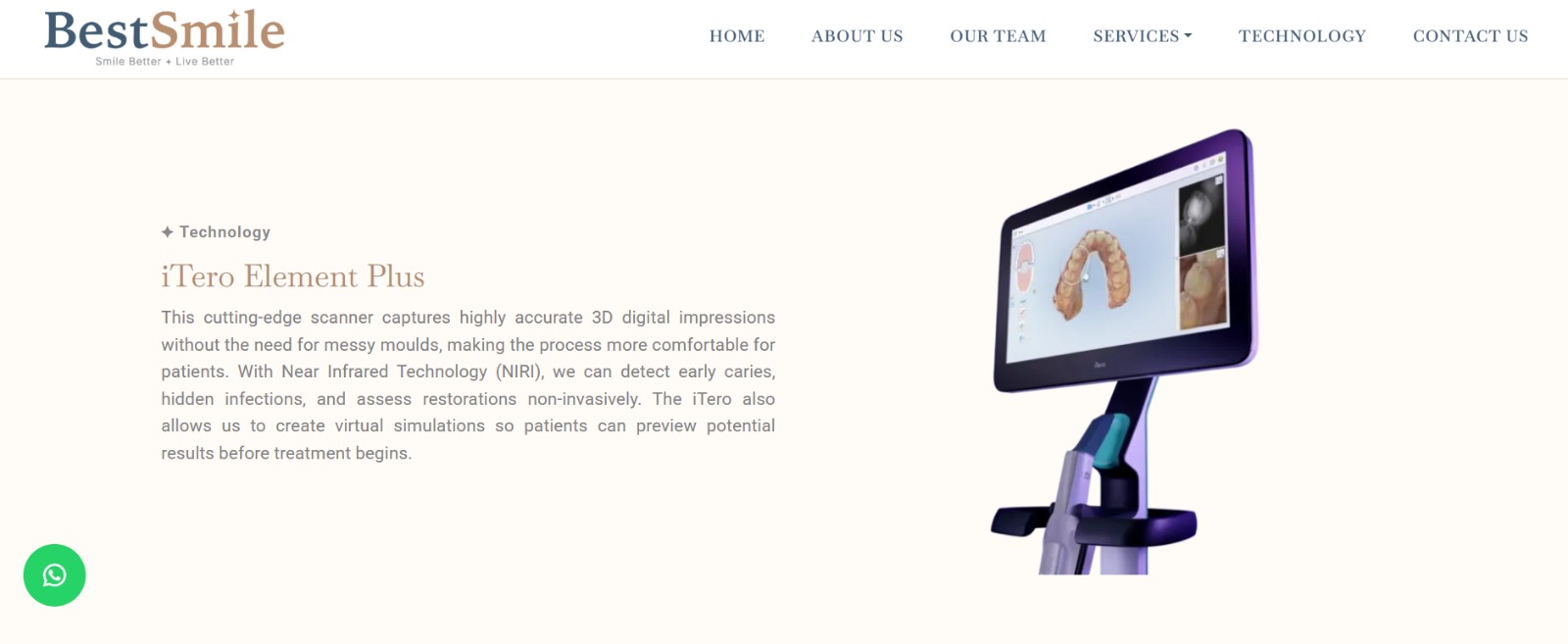
Dentistry is becoming increasingly digital. Tools such as intra-oral scanners, 3D imaging, treatment-planning software and 3D printing are changing how dentists capture information, plan treatment and explain dental care.
For Best Smile Dental Clinic Sdn Bhd, which operates as BestSmile Dental Clinic in Penang, digital transformation is not simply about having sophisticated equipment. The focus is on using appropriate technology alongside professional judgement to support treatment planning, communication and a more personalised patient experience.
Digital dentistry extends beyond electronic records and online appointments. Technology can now support different stages of the clinical journey.
| Digital Technology | How It Can Support Dentistry |
|---|---|
| Intra-oral scanning | Creates digital 3D impressions and supports treatment planning |
| CBCT imaging | Provides 3D information about teeth, jaws and surrounding structures |
| Intra-oral cameras | Supports documentation and patient communication |
| Dental photography | Records smile and aesthetic information |
| 3D printing | Supports models, surgical guides and selected prosthetic applications |
| Digital planning software | Helps dentists visualise and plan selected treatments |
BestSmile is one example of a Malaysian dental practice incorporating these tools into its clinical workflow. Its approach to modern dental technology connects appropriate technology with assessment, planning and communication.
One visible change in modern dentistry is how information about the teeth can be captured.
Traditional approach:
Physical impression materials can be used to reproduce the shape and position of teeth.
Digital approach:
An intra-oral scanner captures information digitally to create a three-dimensional representation.
BestSmile uses the iTero Element Plus for applications including:
- Digital 3D impressions
- Orthodontic assessment
- Clear aligner planning
- Treatment visualisation
For clear aligner treatment, the digital journey may look like this:
Assessment → iTero Scan → 3D Planning → Planned Tooth Movements → Treatment → Monitoring
Tools such as iTero and ClinCheck can help dentists review planned tooth movements and their proposed sequence. They can also provide visual information to support discussions with patients.
BestSmile explains this process further in its guide to clear aligners with iTero digital scanning.
Dental imaging is also evolving.
Conventional dental X-rays remain useful for many clinical purposes. In selected cases, Cone Beam Computed Tomography (CBCT) can provide three-dimensional information about the teeth, jaws and surrounding structures.
At BestSmile, the Planmeca ProMax 3D Classic CBCT may support planning for selected:
- Dental implant cases
- Surgical cases
- Complex dental situations
Importantly, not every patient requires CBCT. The appropriate type of imaging depends on the clinical situation and professional assessment.
Patients can learn more about how the clinic uses CBCT and digital scanning.
The real strength of digital dentistry often comes from connecting several technologies rather than relying on one device.
A digital workflow may look like this:
Clinical Assessment
↓
Digital Scan or Imaging
↓
3D Visualisation
↓
Treatment Planning
↓
Dentist Reviews the Information
↓
Personalised Treatment
↓
Monitoring & Follow-Up
Clear aligners are a useful example. Digital scans and planning software can help the dentist review proposed tooth movements and treatment stages.
For dental implants, CBCT may provide additional 3D information for selected cases, while digital workflows can also support models or surgical guides where appropriate.
The key principle is straightforward:
Technology supports clinical judgement—it does not replace the dentist.
Dental terminology can sometimes be difficult for patients to understand. Digital tools give dentists additional ways to explain what they see and what may be considered next.
Instead of relying only on verbal explanations, discussions may be supported by:
- 3D scans of the teeth
- Intra-oral images
- Dental photography
- Relevant X-rays
- CBCT images
- Digital treatment visualisations
This turns technology into part of the patient experience, not simply equipment operating behind the scenes.
For a healthcare business, that distinction matters. Technology can be valuable not only for clinical workflows, but also for helping professionals communicate complex information more clearly.
Digital dentistry does not stop at capturing images. With 3D printing, selected digital designs can be turned into physical dental applications.
BestSmile has in-house dental 3D printing capabilities that can support:
- Dental models
- Selected prosthetic applications
- Surgical guides
The process demonstrates how several technologies can work together:
Digital Scan → Digital File → Planning → 3D Design → Physical Output
For SMEs, this provides a useful example of digital transformation in practice. The value comes from connecting technology across a workflow rather than purchasing individual devices that operate in isolation.
A scanner can capture information. Software can create visualisations. A CBCT machine can produce 3D images. But technology does not independently decide what treatment is appropriate.
That responsibility remains with trained dental professionals who interpret the information alongside the patient’s clinical situation.
BestSmile has a team of nine dentists, comprising:
- 6 general dentists
- 3 specialists
- Specialist support in Orthodontics
- Specialist support in Oral Surgery
- Specialist support in Periodontics
Founder and Principal Dentist Dr. Ooi Yee Sen has clinical interests including dental implants, clear aligners, aesthetic dentistry, minor oral surgery and digital dentistry.
More information about their qualifications and areas of clinical interest is available on BestSmile’s dentists and specialist team.
This combination of technology + professional expertise matters because digital information still needs to be interpreted within an individual’s oral health and treatment needs.
Digital dentistry offers a wider lesson for healthcare businesses: technology investment should begin with purpose.
Before adopting a new system or piece of equipment, an SME can ask:
- What problem does it solve?
- Can it improve the customer or patient experience?
- Does it support clearer communication?
- Can it integrate into existing workflows?
- Does the team have the skills to use it effectively?
- Does it support professional decision-making?
The goal should not simply be:
New Technology → Modern Business
A more sustainable approach is:
Clear Purpose → Appropriate Technology → Skilled Team → Integrated Workflow → Better Experience
For SMEs, technology creates greater value when it supports real operational or customer needs rather than being adopted simply because it is new.
Digital scanning, CBCT, treatment-planning software, dental photography and 3D printing are changing how information moves through a modern dental practice. From capturing clinical information to treatment planning and patient communication, these tools can support multiple stages of the dental journey.
For Best Smile Dental Clinic Sdn Bhd, digital dentistry demonstrates how technology can work alongside professional expertise, personalised assessment and human communication. As dentistry continues to evolve, the goal is not to replace the human element with technology, but to use appropriate digital tools to support the professionals and patients at the centre of care.