
 By Song Jingwoo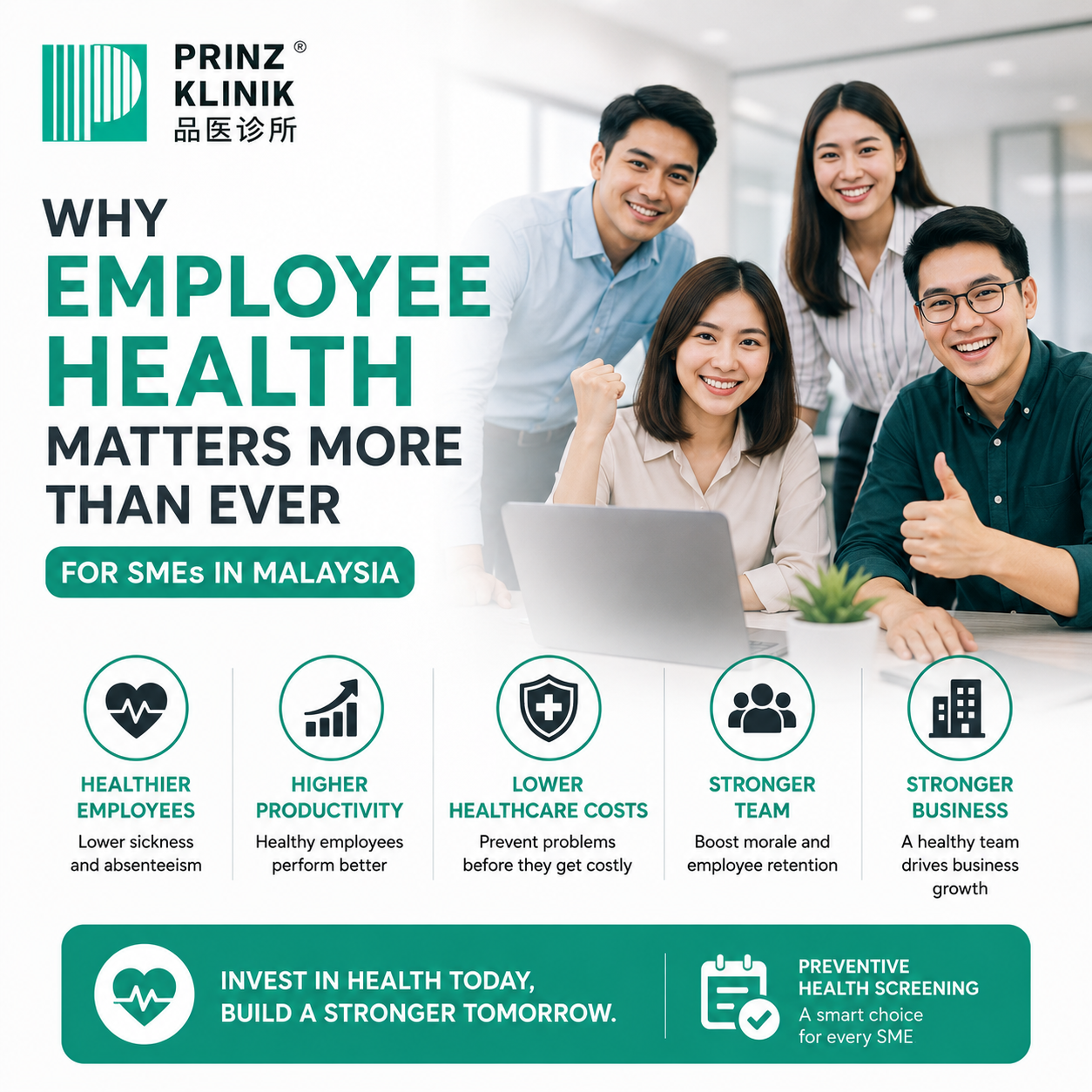
Employee health is no longer just a human resources issue.
For many SMEs in Malaysia, workforce wellbeing is closely connected to productivity, staff retention, workplace morale, and long-term business stability. Even small disruptions caused by poor health can affect daily operations, especially in companies with leaner teams.
The challenge is that many health problems develop quietly.
Working adults today increasingly struggle with conditions such as:
- High blood pressure
- Diabetes
- High cholesterol
- Obesity
- Chronic fatigue
- Stress-related conditions
In many cases, these problems begin affecting energy levels, concentration, and work performance long before serious symptoms appear.
This is one reason regular health screening in Kuala Lumpur is becoming more important for both employees and employers.
Healthy employees generally perform better.
When staff experience ongoing fatigue, burnout, stress, or unmanaged health conditions, work performance can gradually decline. The effects may not always be obvious immediately, but over time they can impact the entire team.
Common workplace effects include:
- Frequent sick leave
- Reduced concentration
- Lower energy levels
- Increased stress
- Reduced work efficiency
For SMEs, even one employee being unwell can significantly affect operations, customer service, project timelines, or team workload distribution.
This becomes more common in workplaces where employees spend long hours sitting, working under pressure, or managing irregular schedules. Articles such as Always Sitting at Work? Health Problems Many Adults Overlook highlight how sedentary work environments may contribute to hidden health risks over time.
Today’s workforce increasingly values employers that care about wellbeing.
Salary remains important, but many employees now also pay attention to:
- Health benefits
- Work-life balance
- Wellness initiatives
- Routine monitoring support
- Workplace culture
Employees often feel more valued when companies invest in their long-term wellbeing instead of focusing only on short-term productivity.
For SMEs, this can contribute to:
- Better employee loyalty
- Improved morale
- Stronger workplace culture
- Higher employee engagement
In competitive hiring markets, workplace wellness support can also help smaller businesses stand out when attracting talent.
Ignoring health issues often becomes more expensive later.
Without regular monitoring, chronic conditions may eventually lead to:
- Expensive medical treatment
- Long medical leave
- Hospitalization
- Reduced workforce stability
Earlier health checks can help identify risks sooner, allowing employees to seek treatment and lifestyle support before conditions worsen.
Educational resources such as Do You Need a Blood Test If You Feel Healthy? help reinforce why silent health conditions should not be ignored even when symptoms appear mild.
Corporate wellness screening is becoming increasingly popular among SMEs in Malaysia.
Instead of treating health checks as a one-time event, many employers now see them as part of long-term workforce management.
Corporate screening programs commonly include:
- Blood pressure checks
- Cholesterol testing
- Diabetes screening
- Blood tests
- Liver and kidney function tests
- Wellness assessments
These screenings can help employees become more aware of their health condition while giving employers better insight into overall workforce wellbeing.
One major challenge for many working adults is time.
Employees often postpone checkups because of:
- Long waiting times
- Busy schedules
- Complicated appointment processes
This is why efficiency matters when organizing corporate screening programs.
Modern healthcare providers increasingly focus on reducing waiting time and improving workflow systems to make screening more convenient for working adults.
One example is Prinz Keponggi, which received the Customer Service Initiative of the Year – Malaysia award at the Healthcare Asia Awards 2026 for its AI-enabled smart queue system. According to the clinic, the system reportedly reduced waiting times by 40%–60%.
For SMEs organizing employee wellness programs, smoother screening processes can reduce disruption to daily work operations.
Health checks alone are not always enough.
Employees also benefit from understanding what their results mean and what lifestyle changes they may need to consider.
Many healthcare providers now place stronger emphasis on:
- Clear medical explanations
- Personalized advice
- Health education
- Patient-focused consultation
Patient testimonials associated with clinics such as Prinz Keponggi frequently mention doctors who explain reports in simple and understandable language.
This can help employees better understand:
- Lifestyle risks
- Early warning signs
- Practical next steps
- Long-term health management
For men and women with different health concerns, services such as women health screening in Kuala Lumpur and men health screening in KL may provide more targeted wellness support.
Workplace culture plays a major role in employee wellbeing.
When employers encourage health awareness and routine checkups, employees often feel more supported by management. Over time, this can contribute to a healthier and more positive working environment.
Simple wellness initiatives may include:
- Annual health screening
- Health awareness campaigns
- Wellness talks
- Preventive care education
- Encouraging work-life balance
Some SMEs in Malaysia have also started organizing group wellness activities and employee screening events as part of broader engagement efforts.
An example includes Prinz Keponggi x Himawari PreSchool | Corporate Health Screening Day, which highlighted workplace-focused healthcare initiatives for educators and staff.
Many SMEs today prefer healthcare providers that combine:
- Workforce wellbeing focus
- Organized screening systems
- Efficient appointment flow
- Professional consultation
- Flexible corporate wellness support
Operational consistency also matters, especially when managing larger employee screening sessions. Some employers may therefore pay attention to healthcare quality standards such as ISO 9001 for reliable healthcare services.
Healthcare providers offering structured workflows and employee-friendly processes often become more practical choices for SMEs managing limited time and resources.
Employee health has become a much bigger business priority for SMEs than it was in the past.
Healthier employees generally contribute to better productivity, lower absenteeism, improved morale, and stronger long-term workforce stability. In contrast, unmanaged health problems may gradually affect both employees and business performance.
For many SMEs in Malaysia, workplace wellness is no longer viewed only as a medical benefit.
It is increasingly becoming part of building a healthier, more sustainable, and more productive workplace