
 By Song Jingwoo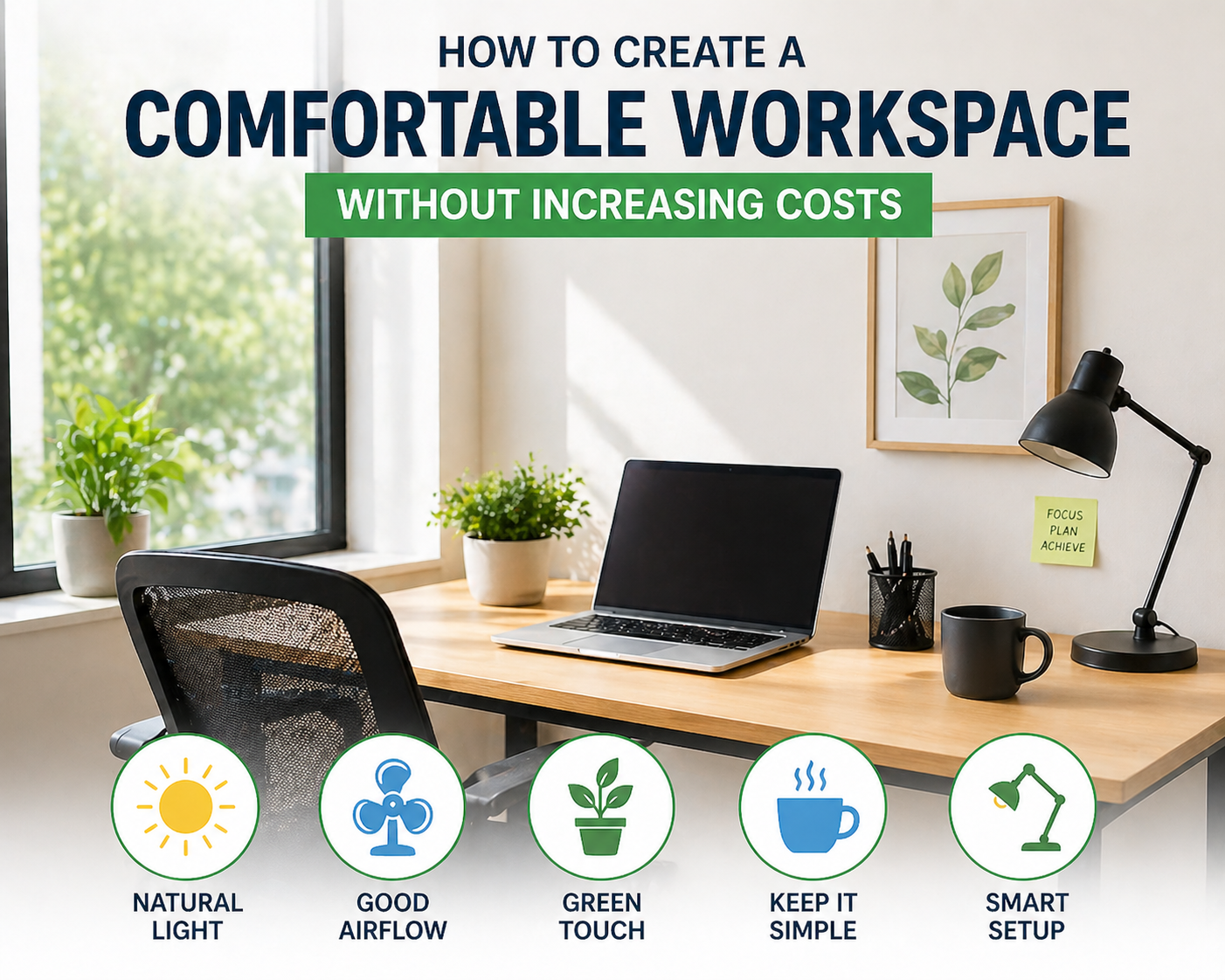
Many offices try to improve comfort by increasing air-conditioning or investing in new equipment—but still struggle with heat, glare, and fatigue. In most cases, the problem is not a lack of investment, but inefficient use of light, airflow, and space.
Workplace studies consistently show that factors like lighting, temperature, and noise have a direct impact on employee productivity and focus. This is why creating a better workspace often starts with practical adjustments, not higher spending.
Natural light plays a major role in creating a comfortable and productive workspace. However, excessive sunlight can introduce heat and glare, making the environment uncomfortable.
To balance light and comfort:
- Use window tint or smart film to reduce glare and heat
- Rearrange desks closer to natural light sources
- Replace solid walls with glass partitions
These adjustments allow offices to maintain brightness while controlling temperature. For better performance, understanding the right specifications is important—this guide on how to choose window film specification explains how heat rejection and light transmission affect comfort.
Many workplaces rely heavily on air-conditioning when the real issue is poor air circulation.
Simple improvements can make the same temperature feel significantly cooler:
- Add ceiling or desk fans
- Keep airflow pathways clear
- Open windows during cooler hours
Better airflow reduces the need to lower thermostat settings, helping maintain comfort without increasing energy use.
Workspace comfort is not only about temperature—it also depends on how people interact with their environment.
Low-cost improvements include:
- Decluttering desks and shared spaces
- Adjusting chair height and monitor positioning
- Creating designated quiet and collaborative zones
These changes improve productivity and reduce physical strain without requiring major investment.
Noise is often overlooked, yet it has a direct impact on comfort and concentration.
Cost-effective solutions include:
- Adding rugs, curtains, or soft panels
- Using partitions or indoor plants to absorb sound
- Creating quiet zones for focused tasks
These adjustments help create a more balanced and comfortable working environment.
One of the most effective ways to improve comfort is to prevent heat from entering the workspace in the first place.
Practical strategies include:
- Blocking heat at the window using film or smart glass
- Avoiding direct sunlight on workstations
- Using lighter colors that reflect heat
By managing heat early, offices can maintain a more stable indoor temperature and reduce reliance on cooling systems. For deeper insights, this article on how window tint reduces energy cost for office buildings highlights how heat control improves both comfort and efficiency.
Even the best workspace design can be undermined by inefficient habits.
Simple actions that improve comfort include:
- Turning off unused lights and equipment
- Using energy-saving modes on devices
- Avoiding overcrowded meeting rooms
When practiced consistently, these habits help maintain a comfortable environment without increasing costs.
Creating a comfortable workspace is not about spending more—it is about using resources more effectively. By improving natural light, airflow, layout, and heat control, offices can achieve better comfort while keeping operational costs stable.
This approach is increasingly recommended in modern workplace design, where efficiency and user experience go hand in hand. For offices looking to enhance comfort further, solutions like window tinting for office buildings can help manage heat and glare while maintaining a clean, professional environment.